
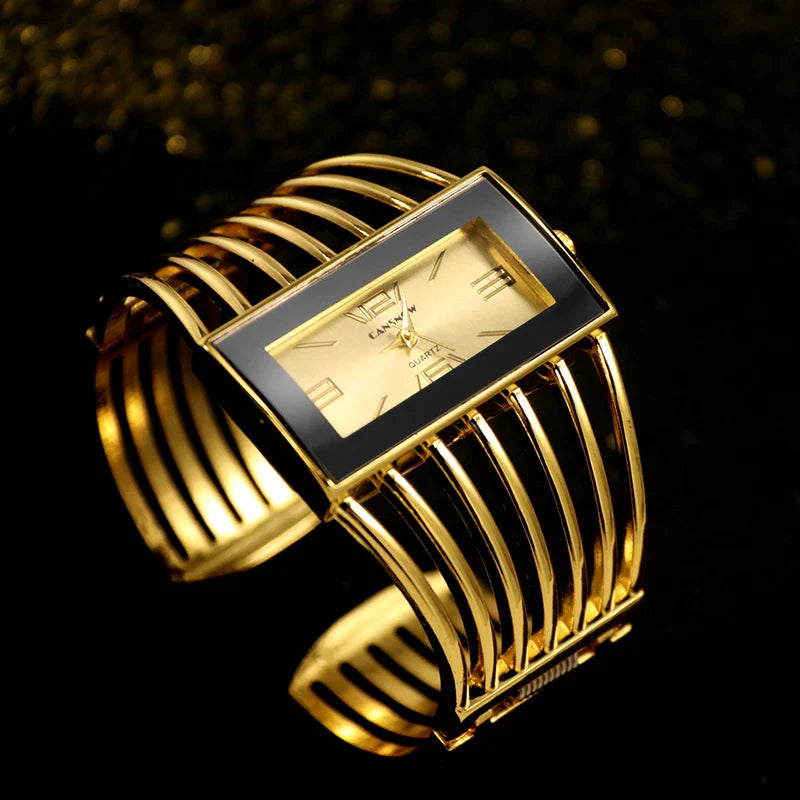
Antique women’s watches have a charm that is hard to copy: slim rectangular cases, delicate bracelets, engraved details and dials that look more like jewelry than instruments. But the words “antique” and “vintage” get used loosely, and buying an old watch is a very different experience from buying a new one made in a period style. This guide explains what each term really means, which eras produced the looks people search for most, what to check before buying a genuine antique, and how to get the same aesthetic with a new vintage-style piece you can wear every day.
Antique, Vintage or Vintage-Inspired: What the Words Mean
These three labels are often mixed up in listings, so it helps to settle them first.
- Antique: in the collecting and trade world, an antique is generally an item at least 100 years old. For women’s watches, that points to pieces made in the early twentieth century or before, including the first wristlet watches and many pendant and pocket watches.
- Vintage: usually describes a watch that is at least 20 to 30 years old but not yet a century. This covers a huge range, from Art Deco pieces of the late 1920s and 1930s to cocktail watches of the mid-century and gold bracelet watches of the 1970s and 1980s.
- Vintage-inspired (or vintage-style): a newly made watch that borrows the design language of an earlier era, such as a rectangular case, a mesh or bangle bracelet, Roman numerals or a mother-of-pearl dial, while using current materials and a new movement.
When someone searches for antique womens watches, they are often looking for the look rather than a museum piece. Knowing which of the three categories you actually want saves time and money, and it changes what you should check before buying.
The Era Styles Behind the “Antique” Look
Most of the designs people associate with antique watches for women come from a handful of recognizable styles. Learning to name them makes shopping much easier.
Early wristlets and pendant watches
Before wristwatches became everyday accessories, many women wore small watches on a chain, as a brooch or as a pendant. Early wristlets were often small round watches fitted to a bracelet or a ribbon. If this is the feel you love, small round dials, fine chains and decorative cases are the details to look for, and women’s pocket watches carry the same heritage in a form you can wear on a necklace or keep in a bag.
Art Deco rectangular watches
The Art Deco period of the 1920s and 1930s is probably the single most influential era for ladies’ watches. Geometry took over: rectangular and tank-shaped cases, stepped edges, slim lugs and clean numerals. A narrow rectangular dial on a fine bracelet still reads as elegant and timeless today, which is why it remains the most requested antique watch look.
Cocktail watches
From roughly the 1940s to the 1960s, cocktail watches turned timekeeping into evening jewelry. Dials were tiny, sometimes almost hidden, and the bracelet or case was set with stones or shaped into ornate patterns. The watch was meant to sparkle first and tell the time second.
Bangle and bracelet watches
Rigid bangles, openwork cuffs, twisted bands and woven gold-tone bracelets blur the line between watch and bracelet. They were popular across several decades and pair naturally with other jewelry. An openwork bangle with a rectangular dial, for example, combines the Art Deco case shape with the jewelry-first spirit of the cocktail era.
Mother-of-pearl and decorative dials
Mother-of-pearl dials have a soft, shifting shine that changes with the light. Combined with a small square or rectangular case and a few stones, they give a strongly vintage feel without needing ornate engraving.
What to Check Before Buying a True Antique
A genuine antique watch can be a beautiful heirloom, but it comes with practical considerations that are easy to underestimate. Here is what to look at before committing.
Servicing and parts
A mechanical movement that is a century old needs regular care from a watchmaker who knows older calibers. Original parts can be hard to source, and some repairs require hand-made components. Ask when the watch was last serviced and whether it keeps time reliably. A watch sold “as is” or “not running” may cost more to restore than to buy.
Water and daily wear
Antique cases were not designed with modern water resistance in mind, and old gaskets, if any, have long since aged. Treat an antique as a watch that must never get wet: no hand washing while wearing it, no rain, no humid bathrooms. Shocks and knocks are also riskier for older movements and crystals.
Size and fit
Antique and early vintage ladies’ watches are often very small by today’s standards. Some people love that delicacy; others find the dial hard to read. Bracelets may be short, and adjusting an old bracelet is not always possible without damaging it. Check the case dimensions and the bracelet length against your wrist before buying.
Authenticity and condition
Replaced dials, re-plated cases, mismatched bracelets and “married” parts are common in the antique market. Look for clear photos of the case back, the movement and the dial up close, and buy from sellers who describe condition honestly. Wear on plating, cracks in the crystal and corrosion on the dial all affect both value and appearance.
Comparison at a glance
| Point to consider | True antique or older vintage | New vintage-style watch |
|---|---|---|
| Age and history | Genuine period piece with its own story | Newly made, inspired by a period design |
| Maintenance | Needs a specialist watchmaker and periodic servicing | Simpler care; follow the product’s own specifications |
| Everyday wear | Fragile; best kept for occasions and away from water | Designed for regular wear |
| Size choice | Limited to what was made at the time | Period shapes in a range of current sizes |
| Condition risk | Replaced parts, worn plating and hidden faults are possible | Arrives new |
Getting the Antique Look with a New Vintage-Style Watch
If what draws you to antique watches ladies wear is the silhouette, the color and the jewelry feel, a new watch made in a vintage style gives you that aesthetic without the restoration worries. It also lets you wear the look every day, at the office or at dinner, without babying it.
A good way to start is to choose the era first and then the details:
- Pick the case shape. Rectangular and square cases point to Art Deco; small round or oval dials lean toward early wristlets and mid-century styles.
- Choose the bracelet. Fine mesh and slim links feel refined; bangles and openwork cuffs feel more like jewelry; leather keeps things understated.
- Decide on the finish. Gold-tone is the classic choice for a vintage style gold watch for women; silver-tone and rose gold-tone read softer and more modern.
- Add one decorative detail. A mother-of-pearl dial, a few stones or Roman numerals is usually enough. Too many details at once can tip the look from vintage into costume.
You can browse these combinations in our women’s vintage watches collection, which gathers rectangular, square, oval and bangle styles in one place. Two pieces show the Art Deco influence especially well: the vintage gold-tone rectangular watch, with its clean geometric dial, and the openwork bangle watch with a rectangular dial, which wears as much like a bracelet as a watch.
Styling Tips for Antique and Vintage Women’s Watches
- Match your metals loosely. A gold-tone watch looks most cohesive with warm jewelry, but mixing metals works if you repeat each tone at least twice in the outfit.
- Stack with intention. A slim bangle watch pairs well with one or two thin bracelets. Keep heavy pieces on the other wrist so the watch stays the focal point.
- Let small dials breathe. Delicate cocktail-style watches look best with fitted or three-quarter sleeves that leave the wrist visible.
- Dress it down too. A rectangular gold-tone watch with a white shirt and denim is one of the easiest ways to make a casual outfit look polished.
- Think beyond the wrist. A pendant or pocket watch on a long chain adds a period touch to knitwear and simple dresses.
If you want a wider choice of retro designs, our full selection of vintage watches is a good place to compare shapes. For a dressier, more contemporary take on the same refinement, look at our elegant women’s watches.
FAQ: Antique Women’s Watches
How old does a watch have to be to count as antique?
The common standard is 100 years or more. Watches between roughly 20 and 100 years old are usually described as vintage, and new watches made in an older style are vintage-inspired or vintage-style.
Can I wear an antique women’s watch every day?
You can, but it requires care. Older watches are rarely protected against water, are more sensitive to shocks and need periodic servicing by a specialist. Many owners keep a true antique for special occasions and wear a vintage-style watch day to day.
What is the most classic antique watch style for women?
The Art Deco rectangular watch on a slim bracelet is the most recognizable and versatile. Cocktail watches, bangle watches and mother-of-pearl dials are other popular period looks.
How do I know if an antique watch has original parts?
Ask for detailed photos of the dial, case back and movement, and compare them with known examples from the same maker and period. When in doubt, have the watch inspected by an independent watchmaker before buying.
Is a vintage-style watch a good alternative to a real antique?
If your priority is the look, yes. A vintage-style watch reproduces period shapes, finishes and dials while arriving new, which removes the uncertainty about condition and makes it easier to wear regularly.